

News and
Activity Reports
NEXUS Site Visit @ Ebetsu Wastewater Treatment Center
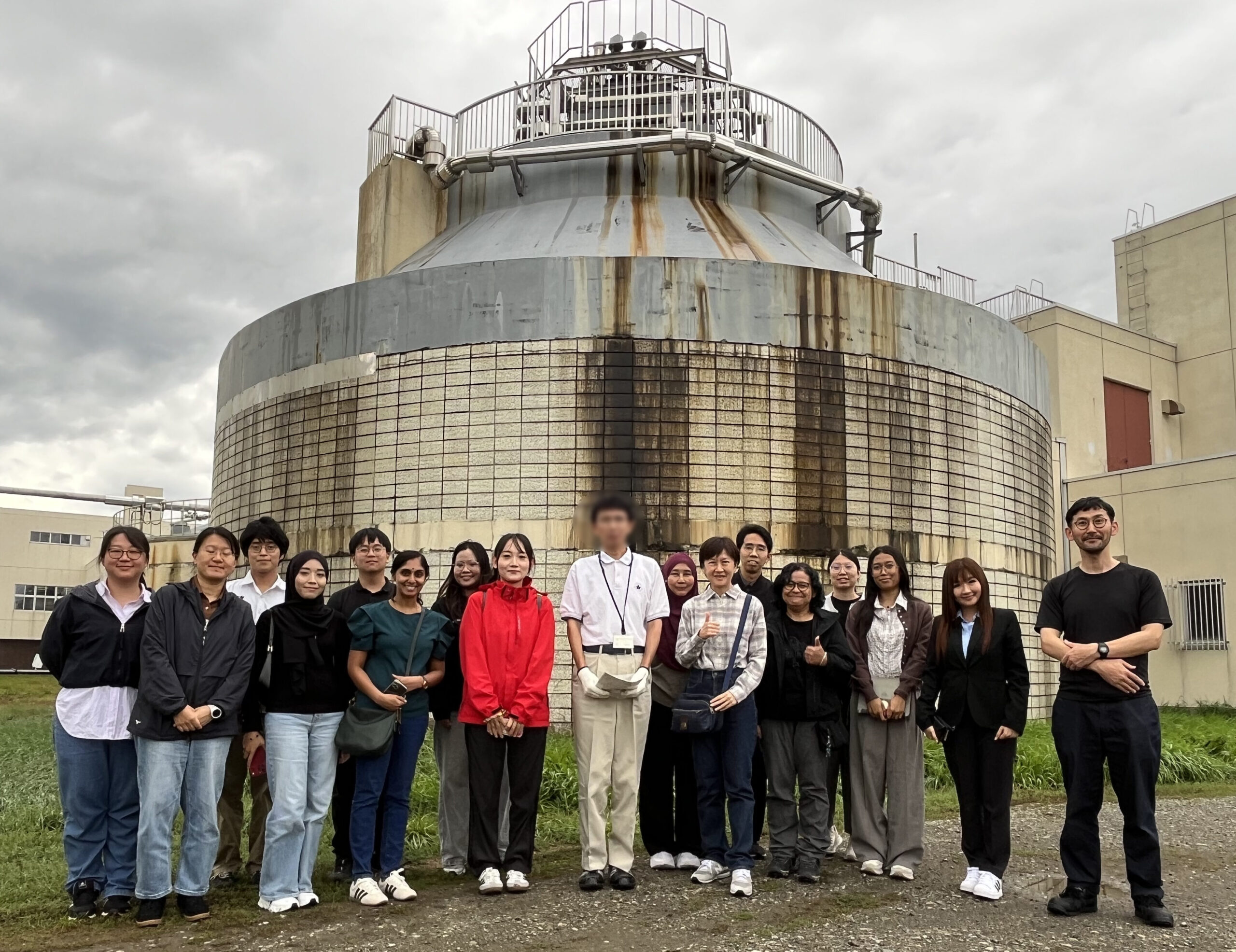
Location: Ebetsu Wastewater Treatment Center (Ebetsu City, Hokkaido, Japan)
Date & Time: 24th September 2026.
1. Introduction
A field visit was conducted to the Ebetsu Wastewater Treatment Center, the municipal sewage treatment plant of Ebetsu City, Hokkaido, as part of the research exchange activities held at Hokkaido University in September 2026. Following the visit to the Cenergi Sua Betong Biogas Plant in Malaysia in March 2026, this visit aimed to provide the research team with first-hand exposure to a Japanese municipal wastewater treatment plant that integrates anaerobic digestion of sewage sludge into its operation.
2. Site Visit
2.1 Introductory session
The plant staff provided an overview of the sewerage system of Ebetsu City and the treatment processes at the facility. Wastewater collected through the sewer network, including several relay pump stations across the city, is treated through two main processes: water treatment and sludge treatment. The treated water is discharged into the Ishikari River.
2.2 Water treatment facilities
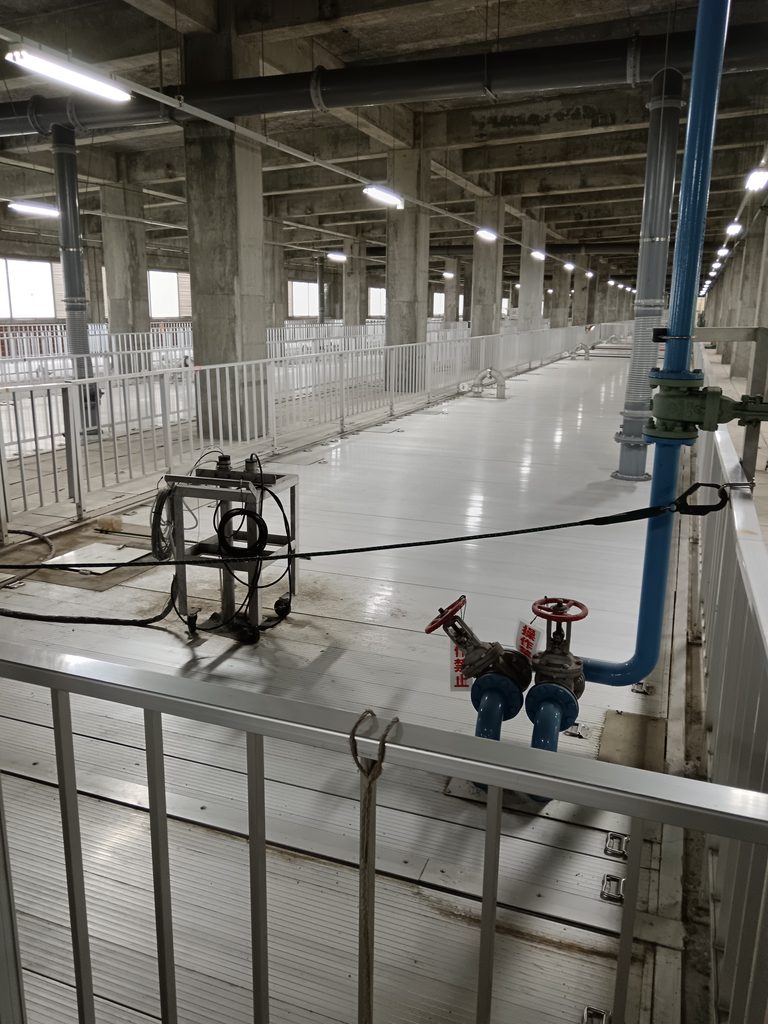
The research team was guided through the water treatment facilities, which consist of: 1)Primary sedimentation tanks, where readily settleable solids are removed and sent to the sludge treatment facilities, 2) Reaction tanks, where organic matter in the wastewater is degraded by microorganisms in activated sludge, 3) Final sedimentation tanks, where activated sludge is settled and the clarified supernatant is discharged; part of the settled sludge is returned to the reaction tanks, and the rest is sent to the sludge treatment facilities, and 4) Disinfection facilities, where the treated water is disinfected with chlorine before discharge.
2.3 Sludge treatment and anaerobic digestion
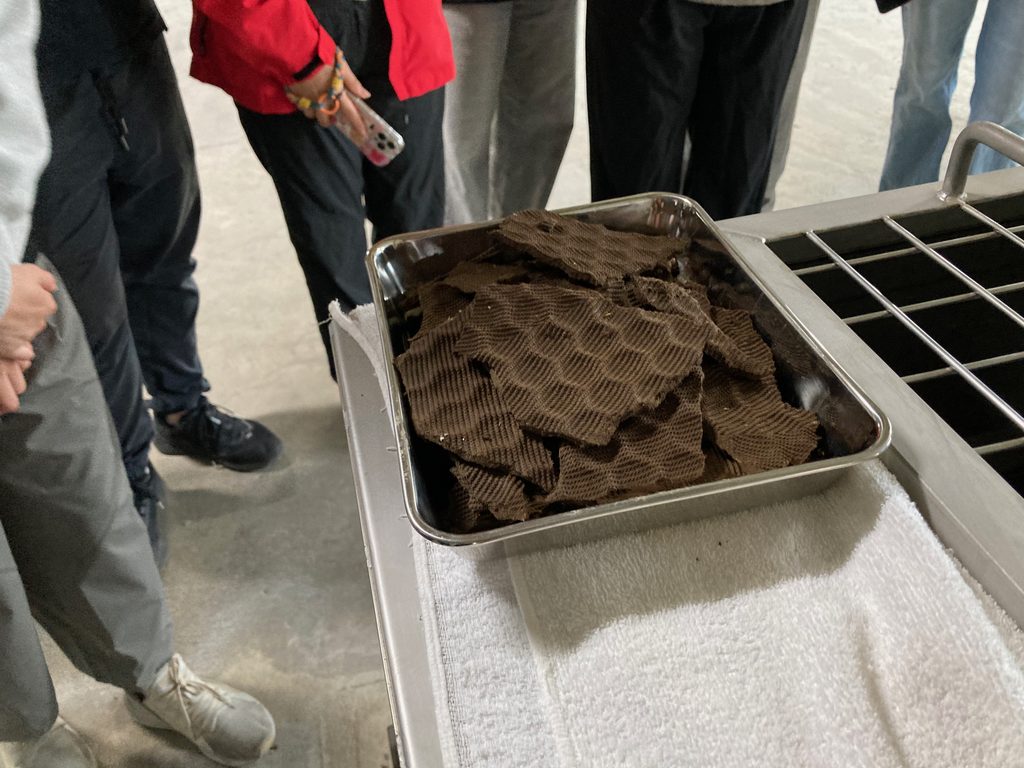
Of particular interest to the NEXUS project, whose main focus is anaerobic digestion, was the sludge treatment line. Sludge from the water treatment facilities is first thickened, then fed to anaerobic digesters, where microorganisms decompose the organic matter in the sludge into methane-containing biogas. Anaerobic digestion reduces the amount of sludge to be dewatered and stabilizes the sludge so that it no longer putrefies. The digested sludge is then mechanically dewatered to a moisture content of approximately 72%.
2.4 Return of the entire digested sludge to green and agricultural land
A notable feature of the Ebetsu Wastewater Treatment Center is that the dewatered digested sludge is used as a sewage-derived fertilizer, and the entire amount is returned to green and agricultural land. In this way, the facility not only recovers energy as methane but also recycles the nutrients in sewage sludge back to land, providing a practical example of a circular system that couples energy recovery with resource recovery.
2.5 Key points from the wrap-up discussion
During the wrap-up discussion, the participants compared the Ebetsu facility with the POME biogas plant visited in Malaysia. The discussion covered the differences in feedstock characteristics (municipal sewage sludge versus POME and empty fruit bunch), the influence of climate on digester operation (cold-region Hokkaido versus tropical Malaysia and Thailand), and the management and utilization of digestion residues. The full return of digested sludge to land in Ebetsu offered a useful reference point for discussing how digestate from palm oil waste could be valorized in Malaysia.
3. Conclusion
The site visit to the Ebetsu Wastewater Treatment Center provided valuable insights into the operation of a full-scale municipal wastewater treatment plant that integrates anaerobic digestion and the land application of digested sludge. The comparison between sewage sludge digestion in Japan and POME digestion in Malaysia will help guide the research activities of the project toward enhancing biogas production and the circular use of digestion residues.
We sincerely thank the staff of the Ebetsu Wastewater Treatment Center, Ebetsu City, for kindly hosting the visit and for their detailed explanations.
Contact Us
For any inquiries, please contact us here